Fruiting Body vs Mycelium: What's The Difference In Functional Mushroom Products?
By Jade Stevens · May 31, 2026 · 6 min read
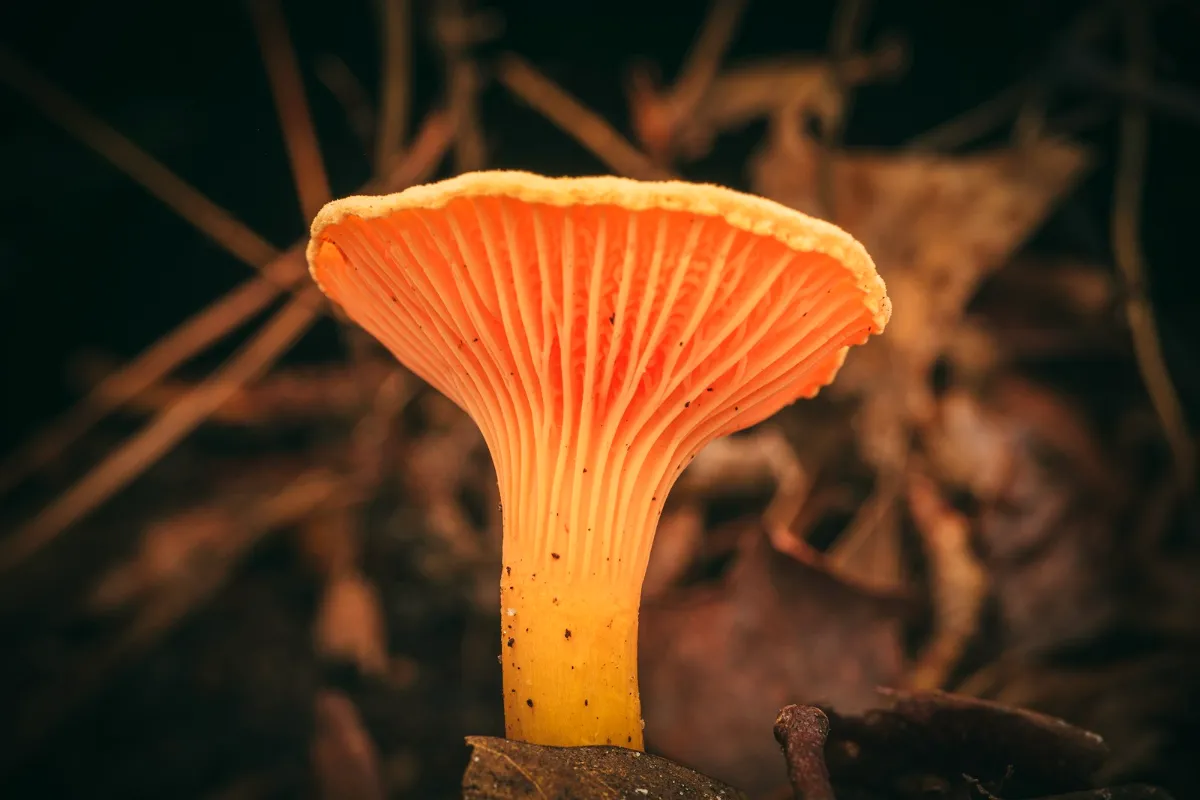
If you've spent any time comparing functional mushroom products, you've probably seen the terms fruiting body and mycelium. You may have also noticed that people have strong opinions about them. Very strong opinions.
Some companies say fruiting body is the only part that matters. Some companies focus on mycelium. Some use both and call the result full spectrum. So who is right?
The honest answer is that it depends on what is actually in the product, how it was grown, how clearly it is labelled, and whether the company is willing to explain its process. The internet loves turning this into a war. We think transparency matters more than tribes.
What Is The Fruiting Body?
The fruiting body is the part of the mushroom most people recognize. It is the visible mushroom. The cap. The stem. The part that grows above the surface and releases spores. When people picture Lion's Mane, Reishi, Chaga, or Cordyceps, they are usually picturing the fruiting body.
Many functional mushroom products use fruiting body material because it is easy for customers to understand. It is the mushroom as most people know it. For some species and some production methods, fruiting body material can be a very important part of the final mushroom powder.
But fruiting body is only one part of the organism. To understand the full picture, you also need to understand mycelium.
What Is Mycelium?
Mycelium is the root-like network of the mushroom. It is not technically a root, but that comparison helps people understand the idea. Mycelium grows through its environment, breaking down material and forming a living network beneath the surface.
In nature, mycelium is the hidden structure that supports the mushroom's life cycle. It is quiet. It is intelligent. And it is easy to overlook because most of its work happens out of sight.
In functional mushroom products, mycelium may be included on its own or as part of a full spectrum mushroom powder. The key question is not whether mycelium is good or bad. The key question is whether the label clearly explains what kind of mycelium is being used and how it was grown.
Why This Topic Gets Confusing
The fruiting body vs mycelium conversation gets confusing because not all mushroom products are made the same way. Some products contain fruiting body only. Some contain mycelium only. Some contain both. Some are grown on grain. Some are grown on other substrates.
Some companies clearly explain their process. Others hide behind vague words like "mushroom complex," "proprietary blend," or "advanced formula." That is where customers get lost.
The problem is not that different companies use different methods. The problem is when the label does not make those methods clear.
What Does Full Spectrum Mushroom Powder Mean?
Full spectrum mushroom powder generally means the product includes more than one part of the mushroom organism. Most commonly, it means fruiting body and mycelium are both included. However, the term full spectrum is not always used the same way by every company. That is why the label matters.
If a product says full spectrum, ask what that actually means. Does it include fruiting body? Does it include mycelium? Does the company explain how it is grown? Does the company explain whether fillers, carriers, or unnecessary additives are included?
Full spectrum should make the product easier to understand. It should not become another marketing phrase that creates more confusion.
What About Mushroom Products Grown On Organic Sorghum?
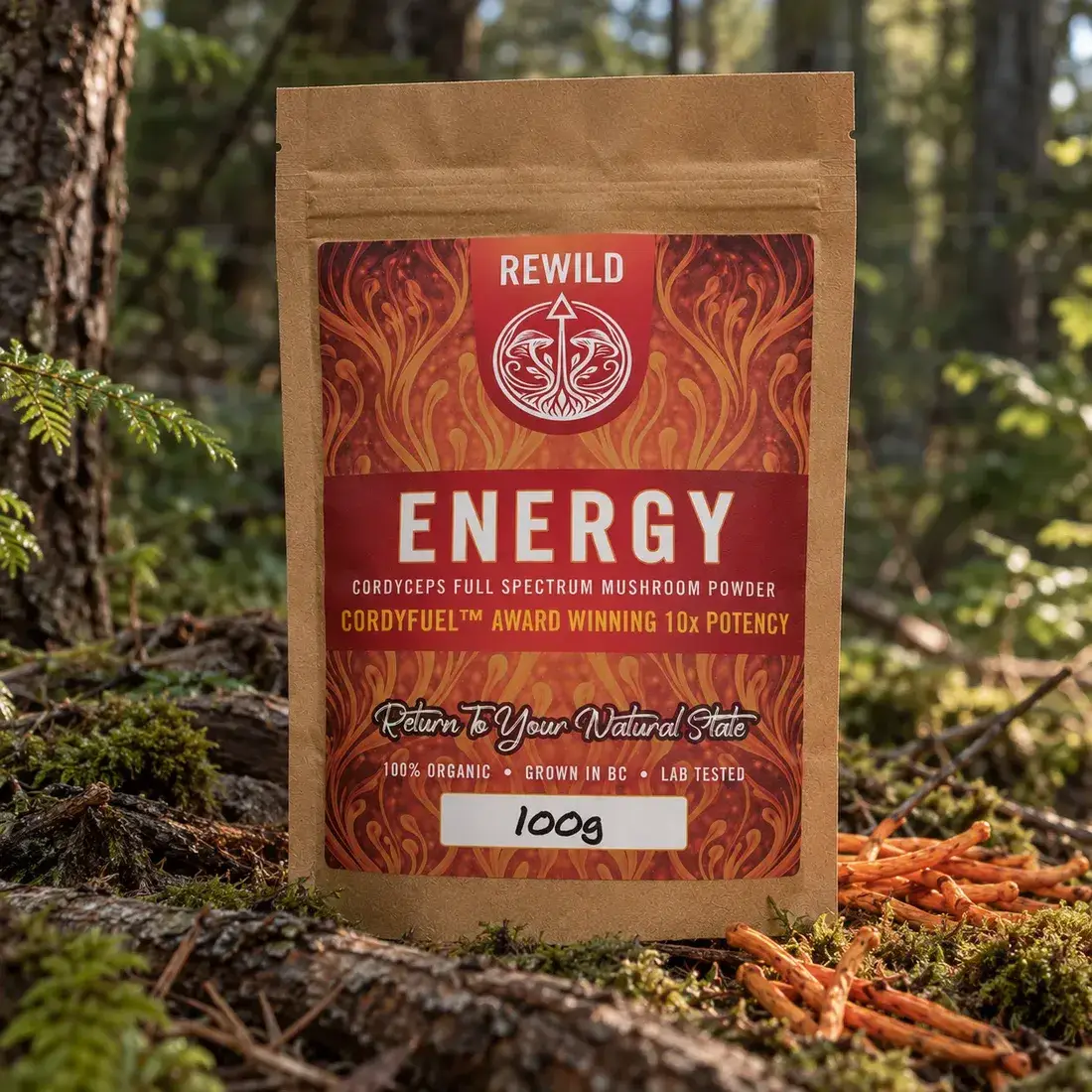
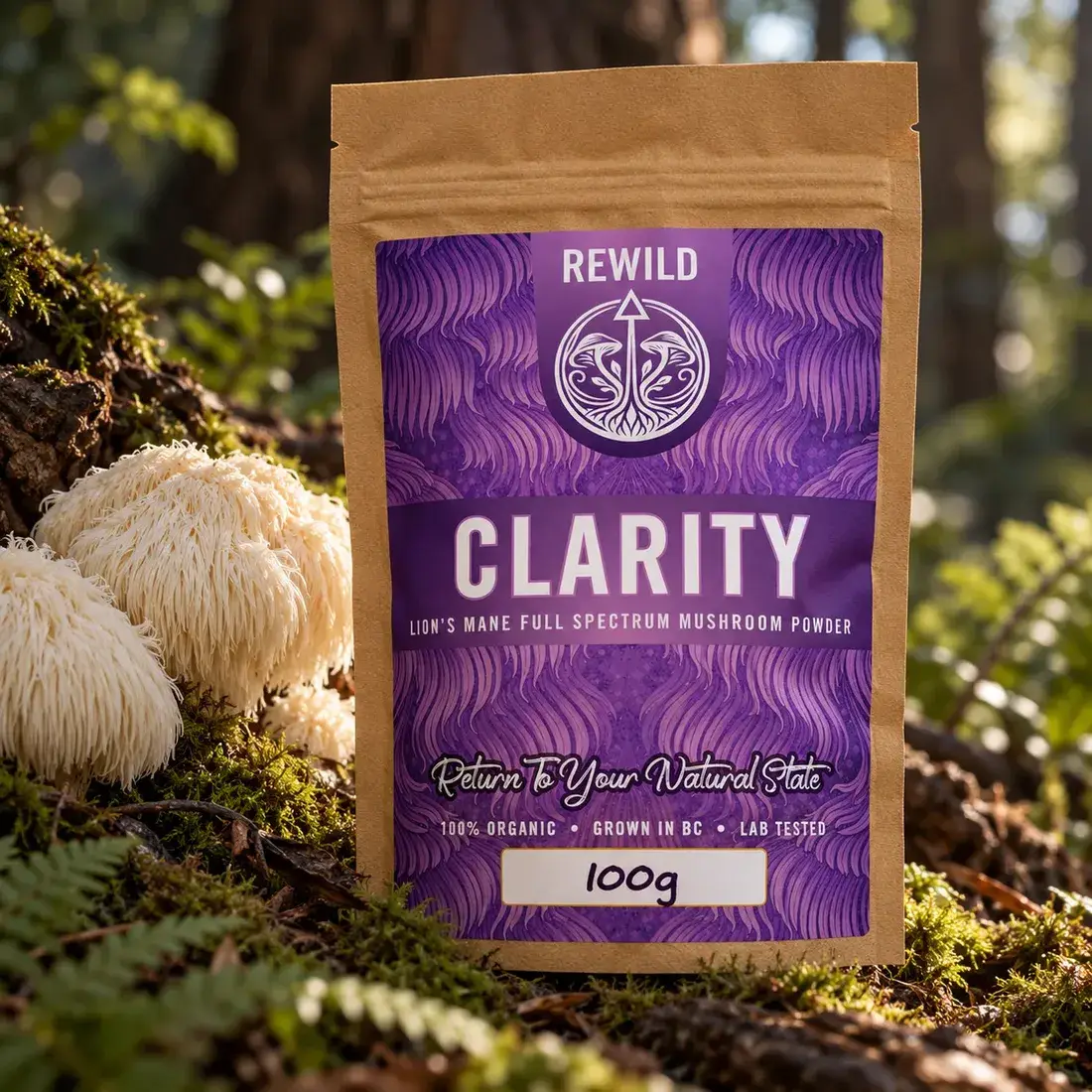
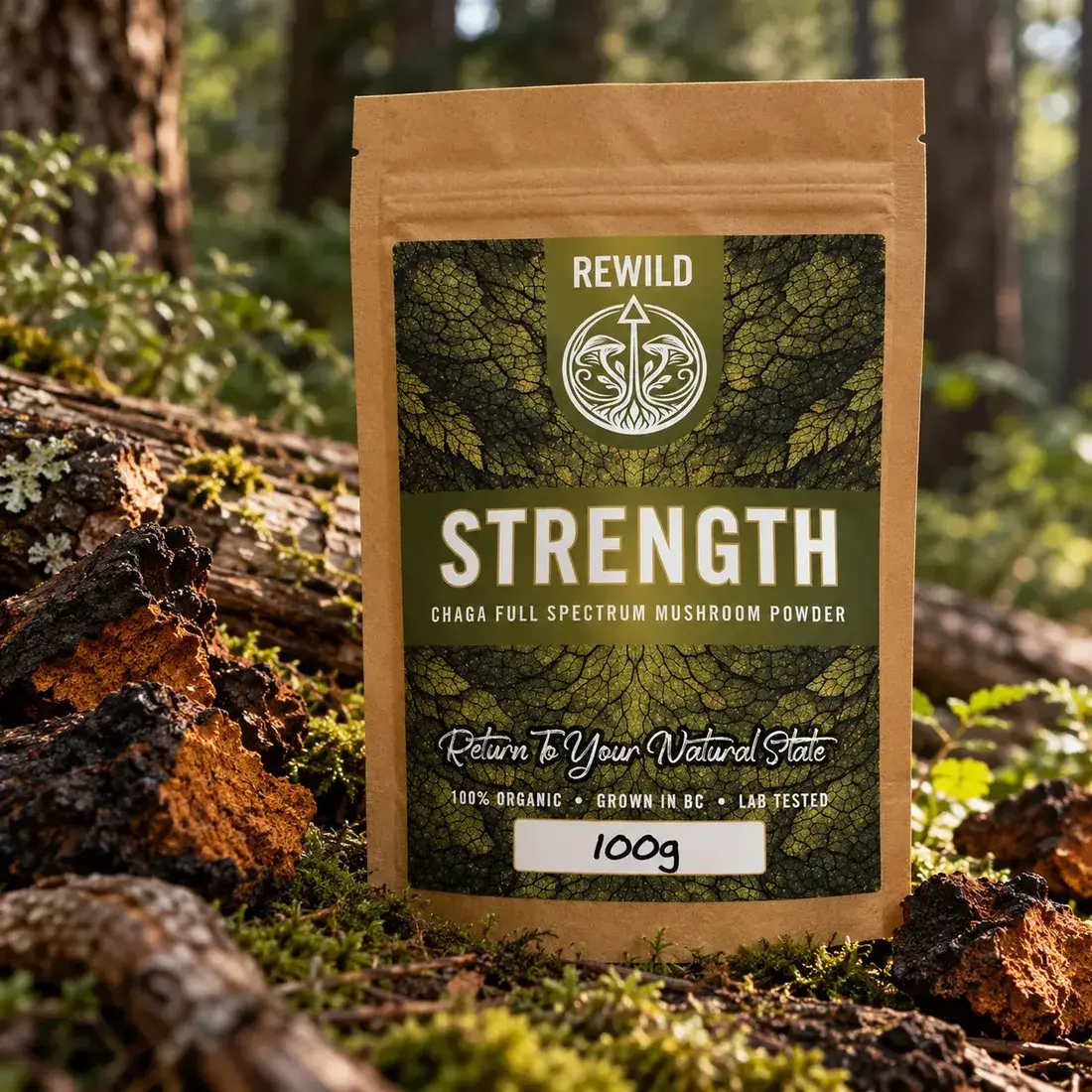
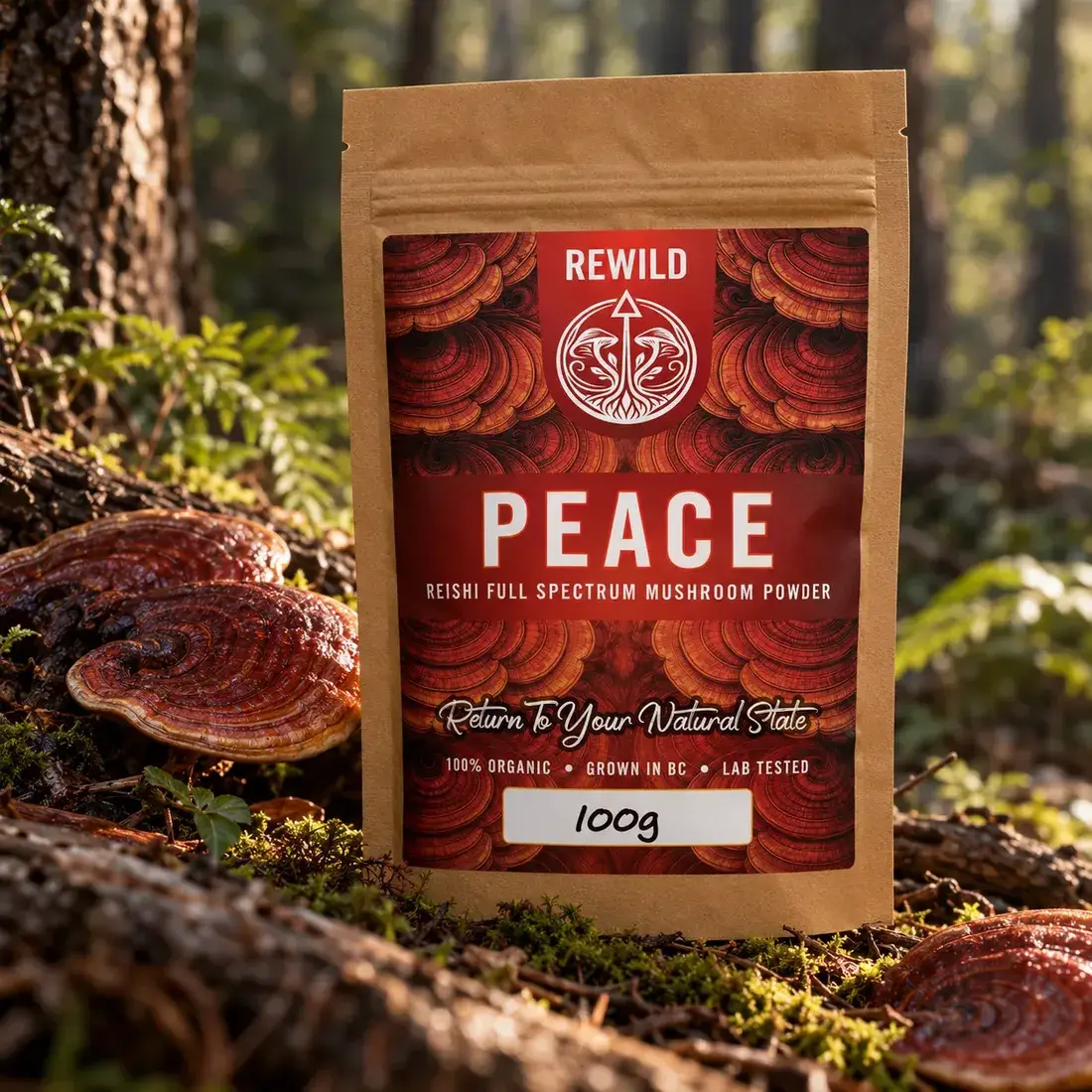
One of the biggest points of discussion in the mushroom world is how mycelium is grown. Different producers use different cultivation methods and substrates. At Rewild, our mushrooms are grown on certified organic sorghum in British Columbia, Canada.
We believe customers deserve to know how their mushrooms are grown and what is included in the final product. That is why we clearly identify our full spectrum approach and openly discuss our growing methods.
The issue is not whether one substrate is automatically good or bad. The issue is transparency. A company should be willing to explain exactly how its mushrooms are grown and what is in the bag.
Is Fruiting Body Better Than Mycelium?
This is the question most people ask first. It is also not the best question. A better question is this: What exactly is in the product, and is the company being clear about it?
Fruiting body can be valuable. Mycelium can be valuable. Full spectrum products can be valuable. But vague labels are not valuable. Overly complicated formulas are not helpful if the customer cannot understand them. And bold claims do not replace clear sourcing, simple ingredients, and third-party testing.
Why We Like A Full Spectrum Approach
One way to think about fruiting body and mycelium is to imagine an orange. If you squeeze the orange and drink only the juice, you are getting one part of the whole fruit. The juice can be wonderful. But it is not the entire orange. The peel, pulp, membranes, and other parts of the fruit are all part of the complete organism.
Functional mushrooms are similar. The fruiting body is one part of the mushroom. The mycelium is another part. At Rewild, we prefer a full spectrum approach because we like working with the whole organism rather than focusing on a single component. That is why our mushrooms include both fruiting body and mycelium.
Not because we believe one side of the debate is wrong. But because we believe the whole story is usually more interesting than just one chapter.
How To Read A Fruiting Body vs Mycelium Label
When comparing functional mushroom products in Canada, here are a few questions worth asking:
- Does the label say fruiting body, mycelium, or full spectrum?
- Does the company explain what full spectrum means?
- Does the product contain one mushroom or a blend?
- Does the label clearly list the mushroom species?
- Does the company say where the mushrooms were grown?
- Is third-party testing available?
- Are fillers, carriers, or unnecessary additives listed?
These questions make it much easier to compare mushroom powders, mushroom coffees, capsules, extracts, and other functional mushroom products. You do not need to know everything about mycology. You just need enough information to make a clear decision.
The Simple Takeaway
Fruiting body is the visible mushroom. Mycelium is the root-like network that supports the mushroom. Full spectrum usually means both are included. The best choice depends on the product, the growing method, the ingredient list, and the company's transparency.
The goal is not to join a fruiting body team or a mycelium team. The goal is to understand what you are buying. And that starts with reading the label.