Why Mushroom Sourcing Matters: Canada, China & What Consumers Should Know
By Jade Stevens · May 31, 2026 · 6 min read
Many Canadians are surprised to learn that a large percentage of mushroom products sold in North America are imported from overseas. That does not automatically make them bad. There are excellent mushroom growers all over the world. But it does raise an important question. Do you know where your mushrooms come from?
As functional mushrooms become more popular, consumers are paying closer attention to labels, ingredients, growing methods, and sourcing. And for good reason. Transparency matters. The more you understand about where a mushroom product comes from, the easier it becomes to make informed decisions.
Why Mushroom Sourcing Matters
When people think about quality, they often focus on the mushroom itself. Lion's Mane. Reishi. Chaga. Cordyceps. But the species is only one part of the story. Questions worth asking include:
- Where was it grown?
- How was it grown?
- Where was it processed?
- Where was it packaged?
- Is the company transparent about its methods?
- Is third-party testing available?
A company that openly answers these questions is usually much easier to trust than one that does not. A clear label helps you compare mushroom powders, mushroom coffees, capsules, extracts, and other functional mushroom products without getting lost in marketing language.
Why So Many Mushroom Products Come From China
China has a long history of mushroom cultivation. Many of the world's functional mushrooms are grown there. The country has extensive infrastructure, experienced growers, and large-scale production capacity. As a result, many mushroom products sold in Canada and the United States begin their journey in China before being packaged and sold under domestic brands.
This is far more common than most consumers realize. The issue is not that mushrooms are grown in China. The issue is whether companies are transparent about where their mushrooms come from. Consumers deserve to know.
The Real Issue Is Transparency
The conversation around sourcing often becomes emotional. Some people automatically assume imported products are inferior. Others dismiss sourcing altogether. We think both positions miss the point.
The real question is not whether a mushroom was grown in China, Canada, or anywhere else. The real question is this: Is the company willing to tell you exactly where it came from? Transparency builds trust. Vague labels create confusion. If a company is proud of its sourcing, growing methods, and process, it should be willing to discuss them openly.
Why More Canadians Are Looking For Canadian-Grown Mushrooms
Over the past few years, many consumers have become more interested in where their food comes from. They want to know who grew it. They want to know how it was produced. They want to know whether the company is transparent. And they want to know whether local options are available.
Functional mushrooms are no different. For some consumers, supporting Canadian-grown mushroom products is important. For others, it is simply about having a shorter and more transparent supply chain. Neither perspective is wrong. What matters is having enough information to make your own decision.
What Does "Grown In Canada" Actually Mean?
This is an important question. A product can be packaged in Canada without being grown in Canada. A brand can look local without the mushroom material itself being local. That does not automatically make the product bad. But it does make the wording on the label important. When comparing mushroom products in Canada, look for clear language.
- Grown in Canada
- Grown in British Columbia
- Product of Canada
- Packaged in Canada
- Imported ingredients
These phrases can mean different things. The more specific the label is, the easier it is to understand what you are buying.
Why Rewild Grows In British Columbia
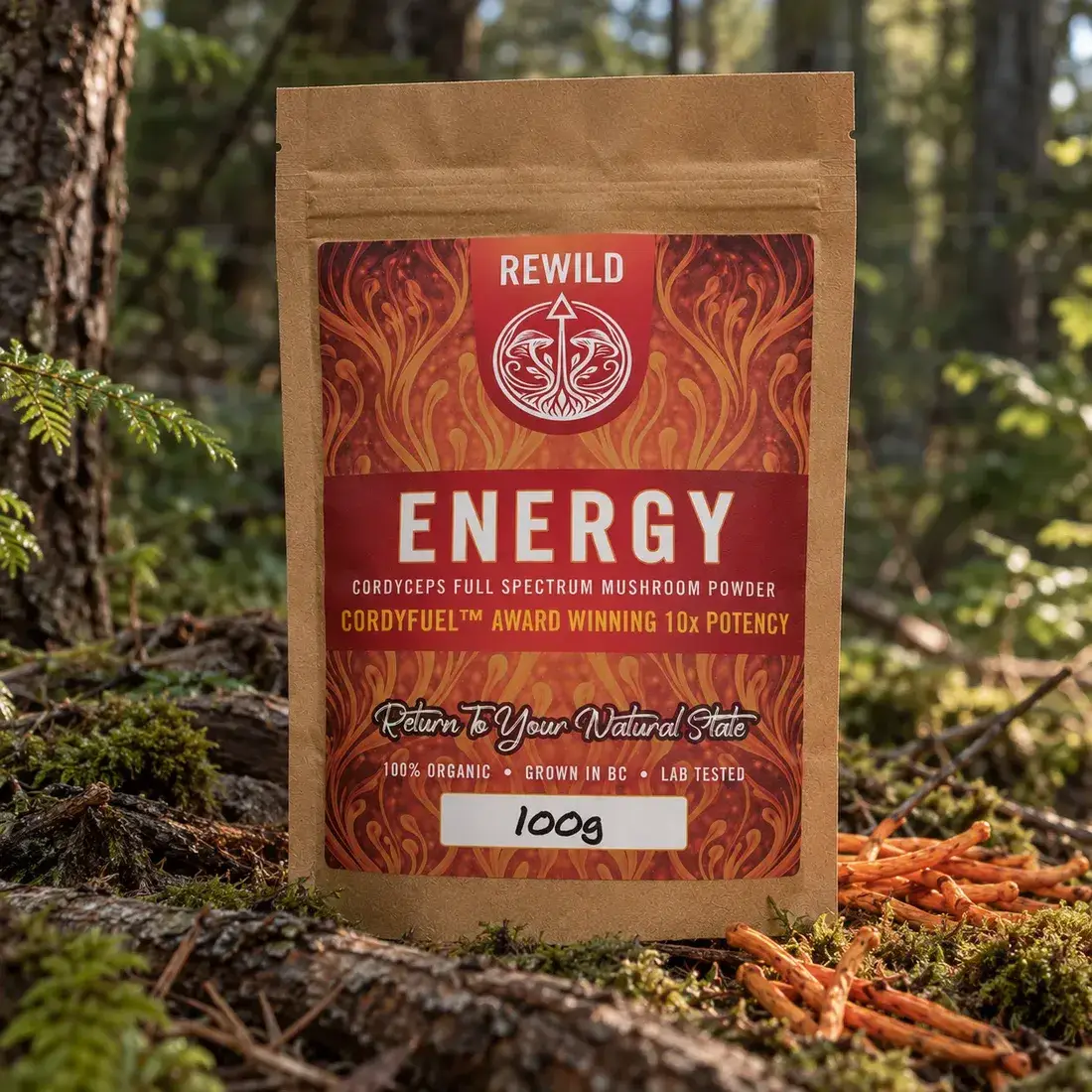
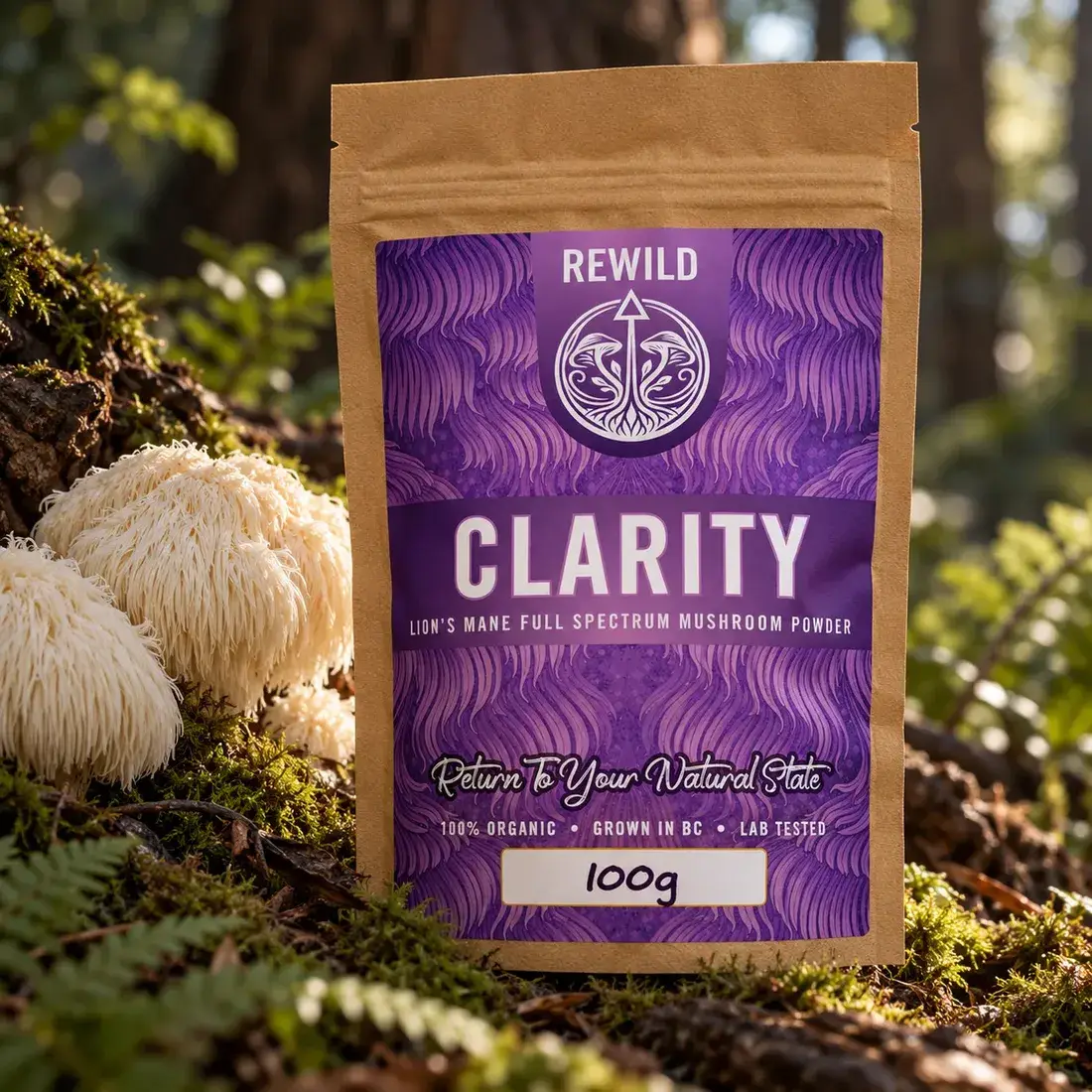
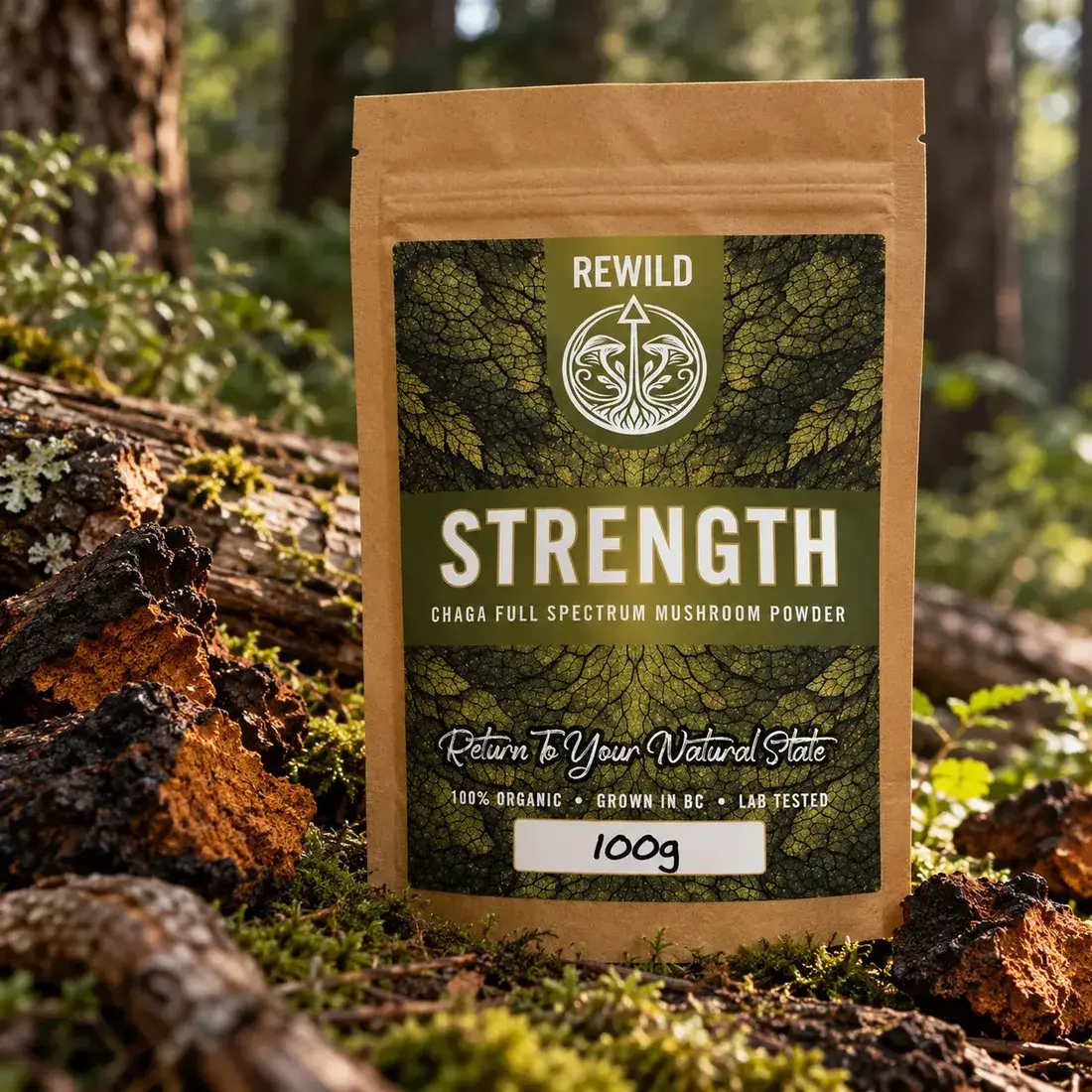
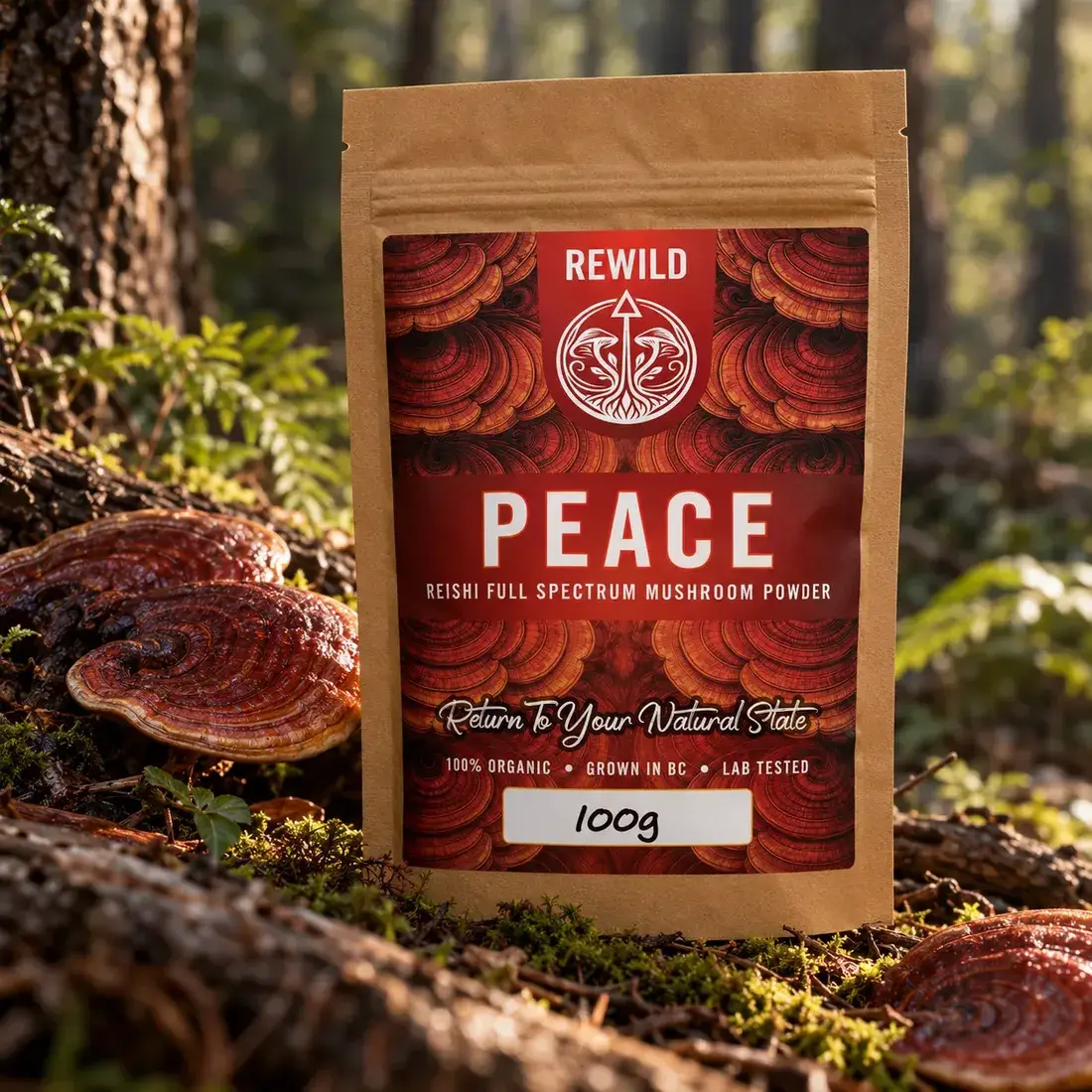
At Rewild, we believe transparency should be simple. Our mushrooms are grown in British Columbia, Canada. They are cultivated on certified organic sorghum. We use a full spectrum approach that includes both fruiting body and mycelium. And we believe customers should know exactly what is in the bag.
Not because we think every other approach is wrong. But because informed customers make better decisions. When people understand where a product comes from, they can decide for themselves whether it aligns with their preferences and values.
What To Look For On A Mushroom Product Label
When evaluating a mushroom product, consider asking:
- What mushroom species is being used?
- Where was it grown?
- Where was it processed?
- Where was it packaged?
- Does the company explain its cultivation methods?
- Is third-party testing available?
- Are the ingredients clearly listed?
- Does the label explain whether it contains fruiting body, mycelium, or both?
These simple questions can tell you far more than flashy marketing claims ever will. They also help you compare Lion's Mane, Reishi, Chaga, Cordyceps, blends, mushroom powders, and other functional mushroom products more confidently.
Why Sourcing And Testing Belong Together
Sourcing tells you where a mushroom product begins. Testing helps verify what is in the finished product. Both matter. A company may talk about origin, growing methods, or quality, but third-party testing adds another layer of accountability. It gives customers more than a story. It gives them something to ask for.
At Rewild, our products are third-party tested. You can see the current results on our lab results page, or just ask.
The Future Of Functional Mushrooms In Canada
The functional mushroom category is growing quickly. That is exciting. More people are discovering Lion's Mane, Reishi, Chaga, Cordyceps, and other traditional mushrooms than ever before. As the category grows, transparency becomes even more important. Consumers deserve clear labels. Honest sourcing. Simple ingredients. And companies that are willing to answer questions.
Final Thoughts
The goal is not to find the perfect mushroom product. The goal is to understand what you are buying. Whether your mushrooms come from Canada, China, or somewhere else entirely, transparency matters.
The more a company is willing to share about its sourcing, growing methods, ingredients, and testing, the easier it becomes to make informed decisions. And that starts with asking one simple question: Where did these mushrooms come from?