How To Choose A Mushroom Product In Canada (Without Getting Fooled By The Label)
By Jade Stevens · May 31, 2026 · 5 min read
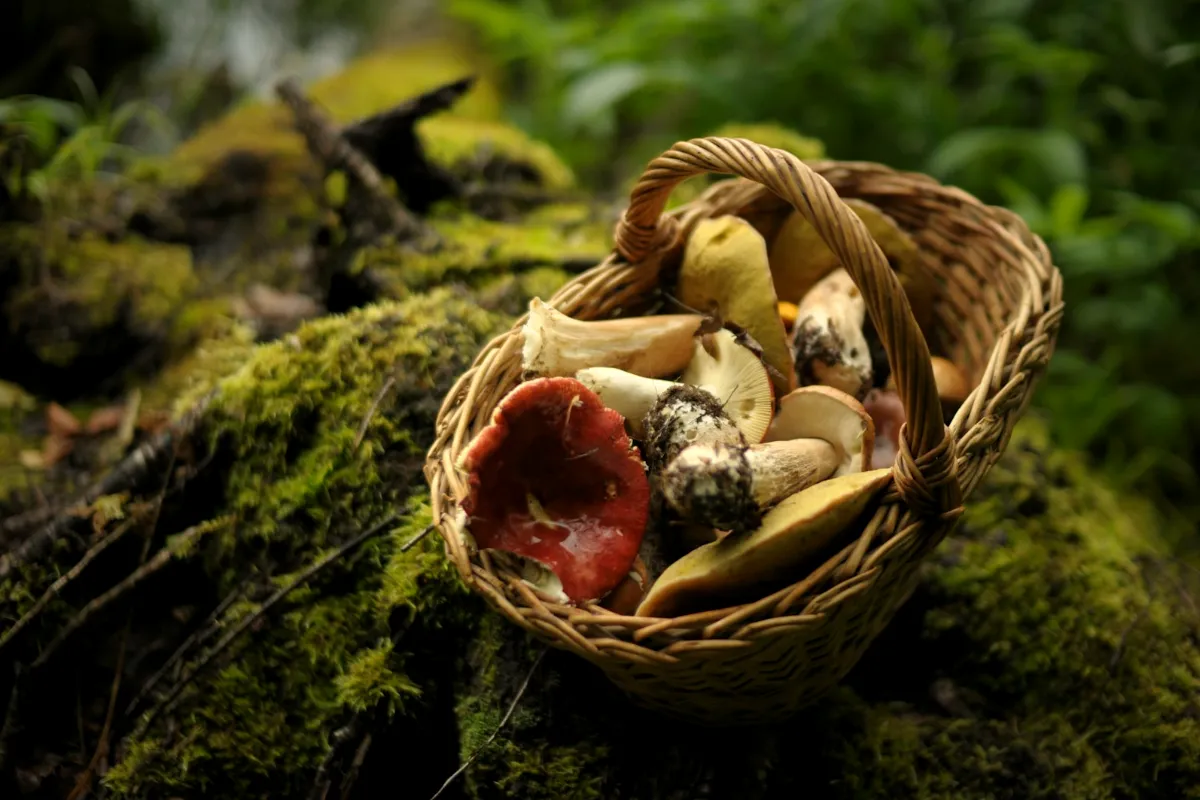
Walk into any health food store today and you'll find dozens of mushroom products competing for your attention. Lion's Mane. Reishi. Chaga. Cordyceps. Mushroom coffees. Mushroom capsules. Mushroom powders. Mushroom extracts.
At first glance, many of them look remarkably similar. But once you start comparing labels, you'll quickly discover that not all mushroom products are created equal.
Some are grown in Canada. Some are imported from overseas. Some use fruiting body. Some use mycelium. Some contain a single mushroom. Others combine several mushrooms into proprietary blends.
For consumers trying to make informed decisions, it can feel overwhelming. The good news? You don't need a biology degree to understand what you're buying. You simply need to know what to look for.
Start With The Mushroom Species
The first thing to check is the actual mushroom being used. Many functional mushroom products contain:
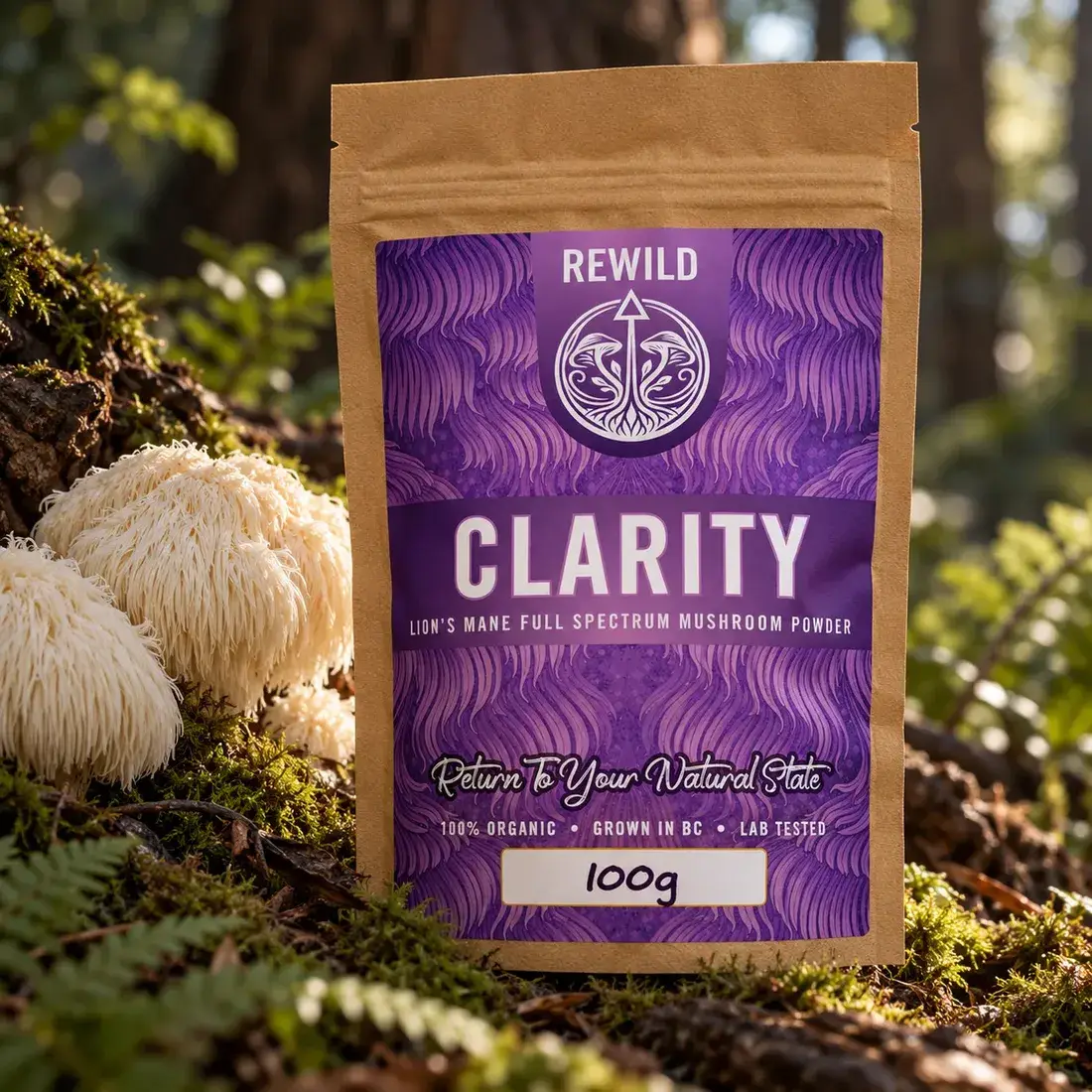
- Lion's Mane (Hericium erinaceus)
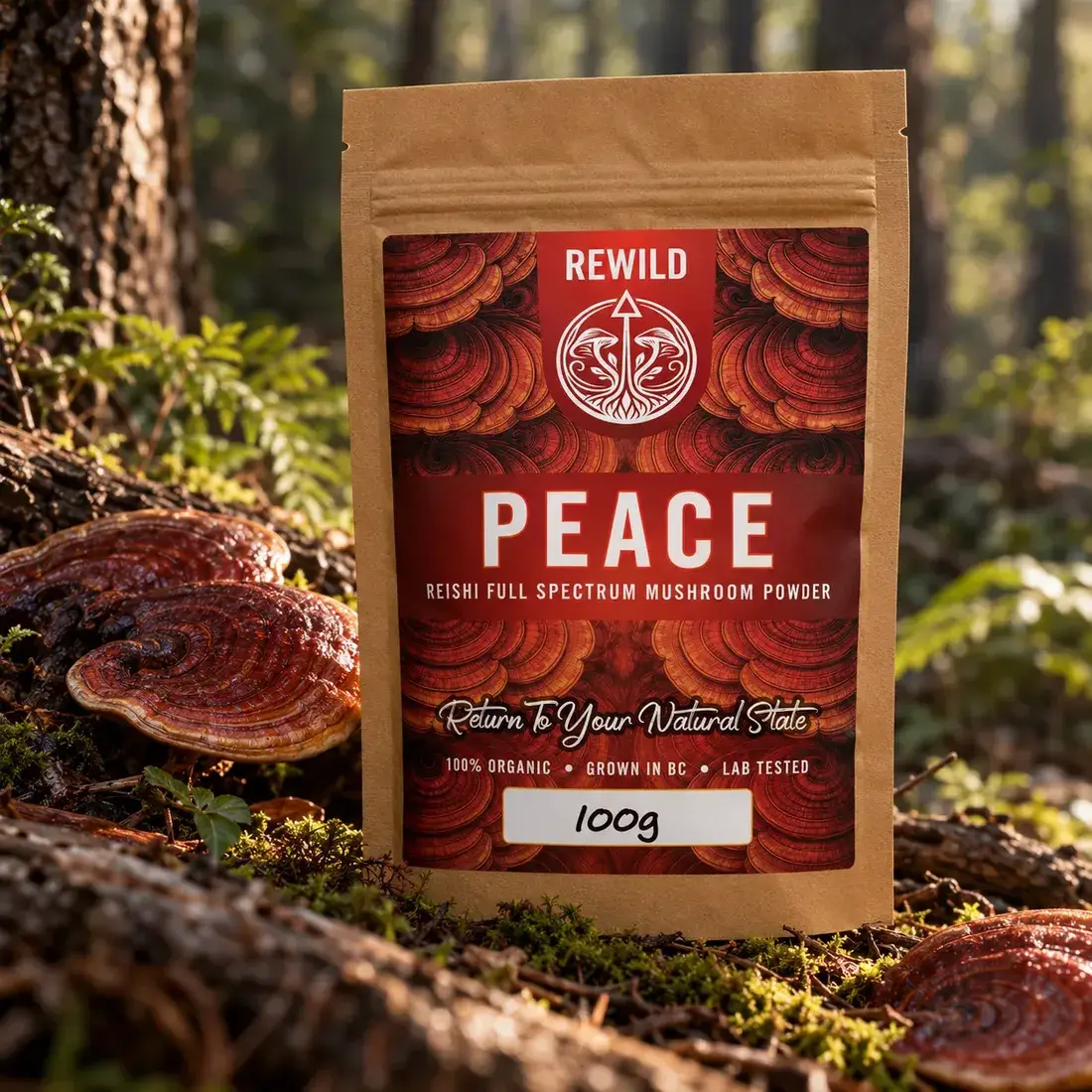
- Reishi (Ganoderma lucidum)
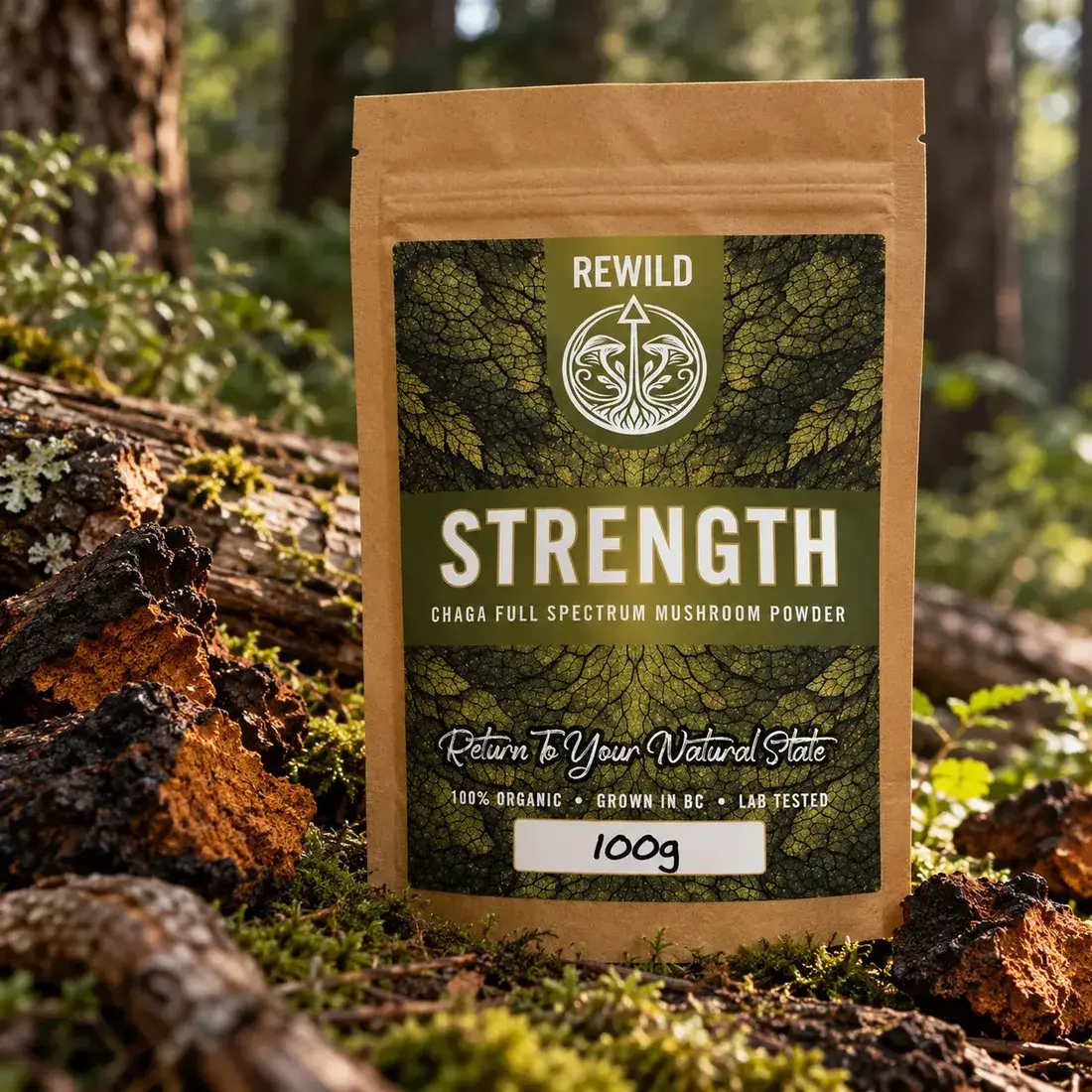
- Chaga (Inonotus obliquus)
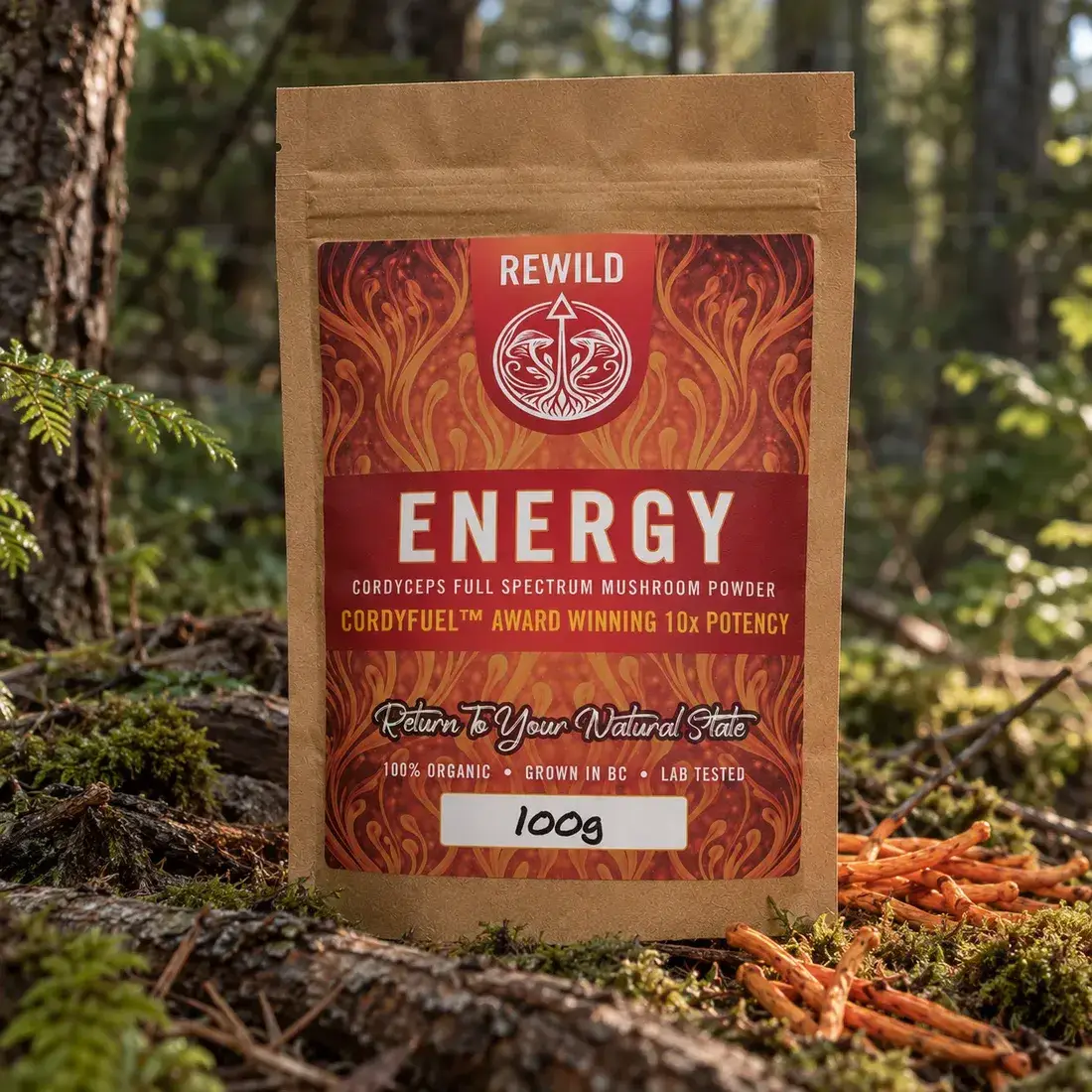
- Cordyceps (Cordyceps militaris)
A quality mushroom product should clearly identify the species. If a product simply says "mushroom blend" without explaining what mushrooms are included, it becomes much harder to evaluate.
Different mushrooms are traditionally used for different purposes. Knowing exactly what you're purchasing is the first step toward making an informed decision.
Understand Fruiting Body vs Mycelium
One of the most common questions in the functional mushroom industry is this: What's the difference between fruiting body and mycelium?
The fruiting body is the visible mushroom most people recognize. Mycelium is the root-like network that supports the mushroom's growth. Depending on the company, a product may contain:
- Fruiting body only
- Mycelium only
- Full spectrum mushroom material containing both
The important thing isn't choosing sides in an industry debate. The important thing is transparency. A trustworthy company should clearly explain what parts of the mushroom are included in the product. (We go deeper in Fruiting Body vs Mycelium.)
Pay Attention To Where The Mushrooms Are Grown
This is one of the most overlooked parts of a mushroom product label. Many mushroom products sold in Canada are imported from overseas before being packaged and sold under Canadian brands. A large percentage of mushroom products sold in North America are sourced from China before being packaged and sold under domestic brands.
That doesn't automatically make them poor quality. There are excellent growers all over the world. But many consumers prefer knowing exactly where their mushrooms were grown. Questions worth asking include:
- Where were the mushrooms grown?
- Where were they processed?
- Where were they packaged?
- Is the company transparent about sourcing?
- Is third-party testing available?
For many Canadians, local sourcing matters. Not because local is always better. But because transparency builds trust.
Why Rewild Takes A Different Approach
There are many good mushroom products on the market. We simply believe consumers deserve complete transparency about what they're buying. That's why every Rewild product is built around a few simple principles:
- Grown in British Columbia, Canada
- Full spectrum mushrooms (fruiting body + mycelium)
- Third-party tested
- Nothing added: no carriers or unnecessary additives
- Clear labels, so you can build your own stack
Our goal isn't to overwhelm you with complicated formulas. Our goal is to help you understand exactly what's in the package.
Look Beyond Marketing Claims
The front of a package is designed to attract attention. The back of the package is where the real information lives. When comparing mushroom products, spend less time focusing on bold marketing promises. Spend more time evaluating:
- Mushroom species
- Ingredients
- Sourcing
- Manufacturing information
- Third-party testing
These details often tell a more accurate story than the front label ever will.
Why Third-Party Testing Matters
Independent testing helps verify that products contain what the company says they contain. While testing standards vary between manufacturers, third-party verification is one of the strongest signals that a company values transparency. Consumers shouldn't have to rely solely on marketing. Verification matters. (See our lab results.)
Single Mushroom Or Mushroom Blend?
Many brands sell mushroom blends. Others focus on individual mushroom powders. Neither approach is automatically right or wrong. What matters is that the label tells you exactly which mushrooms are inside, and how much of each.
If you're interested in Lion's Mane, you can purchase Lion's Mane. If you're interested in Reishi, you can purchase Reishi. If you're interested in Cordyceps or Chaga, you can choose those individually as well. Either way, you should be able to see exactly what you're getting.
What We Look For In A Mushroom Product
When evaluating mushroom products in Canada, here are the five things we believe matter most:
- Clearly identified mushroom species
- Transparent sourcing
- Simple ingredient lists
- Third-party testing
- A company willing to answer questions openly
The more transparent a company is, the easier it becomes to make informed decisions.
Final Thoughts
The functional mushroom industry is growing rapidly. That's exciting. More people are discovering Lion's Mane, Reishi, Chaga, Cordyceps, and other traditional mushrooms than ever before. But growth also creates noise.
The best thing consumers can do is learn how to read labels. Ask questions. Support companies that value transparency. The goal isn't to find the perfect mushroom product. The goal is to understand what you're buying. And that starts with reading the label.